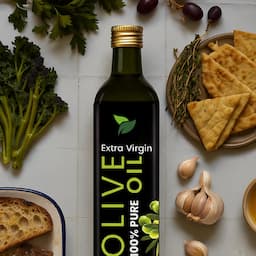
Extra virgin olive oil works as a natural laxative by stimulating bile production and lubricating the intestinal tract — one tablespoon on an empty stomach produces a mild laxative effect within 2–6 hours. It also feeds beneficial gut bacteria, reduces bloating, and supports long-term digestive health.
Extra virgin olive oil has been used across centuries as a powerful digestive aid. Science now confirms what ancestors knew: a single tablespoon of EVOO stimulates bile production, lubricating the intestinal tract to support smoother bowel movements.
During Ramadan, fasting Muslims often experience constipation, bloating, and indigestion — caused by irregular meal times, reduced water intake, and sudden large meals at Iftar.
Olive oil acts as a natural remedy, coating the digestive tract and activating gut motility within hours.
Beyond its role as a natural laxative, olive oil delivers healthy fats, antioxidants, and anti-inflammatory compounds that feed beneficial gut bacteria. Its polyphenols support a balanced gut microbiome — making it a Sunnah-inspired addition to your Suhoor nutrition plan.
How to Use Olive Oil for Constipation
Taking 15 ml of EVOO on an empty stomach each morning is the most direct method. It coats the digestive tract, lubricating intestinal walls and triggering a mild laxative effect within a few hours.
Beyond the morning dose, using EVOO as a dressing over salads, vegetables, and legumes adds digestive benefits without extra preparation. Pairing it with lemon juice further supports gut motility.

Stirring one teaspoon into natural yogurt feeds beneficial gut bacteria. This combination supports your gut microbiome, improves nutrient absorption, and reduces bloating without disrupting your regular eating pattern.
One tablespoon of cold-pressed EVOO on an empty stomach is the most effective approach for constipation relief. If it causes nausea, stir it into yogurt or a small amount of food instead. Consistency matters more than timing — daily use delivers more reliable results than occasional large doses.
Digestive Health Benefits & Gut Microbiome
Consuming olive oil supports digestive health by coating the gastric lining, which buffers stomach acidity and reduces the risk of ulcers. Its oleic acid stimulates bile production, directly lubricating the intestinal tract and promoting smoother bowel movement.
Beyond relieving constipation, olive oil feeds beneficial intestinal bacteria. Research shows it increases butyrate-producing microbes, which generate short-chain fatty acids that fuel colon cells and help balance gut microbiota over consistent daily use.
Some people with IBS report improved digestive comfort when olive oil is included as part of a balanced diet, though individual responses vary.
Even one tablespoon added to regular meals makes it easy to incorporate consistently — and consistency matters most for digestive results.
Bloating
Bloating is caused by excess gas building up in the digestive system, creating discomfort and a feeling of fullness. Olive oil addresses this directly through its digestive support mechanism.
Its polyphenols stimulate bile production — a substance produced by the liver that breaks down dietary fat. This reduces fermentation and gas accumulation that trigger bloating in the first place.
Fasting individuals frequently experience bloating due to irregular meal times and sudden large Iftar meals. Olive oil is a natural, gentle remedy for these digestive issues — which is why it has long been used as a traditional digestive aid.
What Makes Extra Virgin Olive Oil Special
Extra virgin olive oil is the highest grade, extracted by cold-pressing without chemicals or excessive heat. This preservation process ensures that natural nutrients, antioxidants, and beneficial compounds remain intact from the moment of harvest.
That purity directly supports digestion. EVOO contains powerful antioxidants including polyphenols, vitamin E (tocopherols), and oleocanthal — a compound with anti-inflammatory properties comparable to ibuprofen.
These nutrients work together to support bowel regularity. Even one tablespoon daily improves gut motility while providing additional health benefits for heart and brain function — going well beyond simple constipation relief.
| Digestive Benefit | Active Compound | Mechanism |
|---|---|---|
| Constipation relief | Oleic acid | Lubricates intestinal walls; stimulates gut motility |
| Bloating reduction | Polyphenols | Stimulates bile; reduces fermentation and gas |
| Gut microbiome support | Polyphenols, MUFAs | Increases butyrate-producing bacteria |
| Gastric lining protection | Oleic acid, antioxidants | Buffers stomach acidity; reduces ulcer risk |
| Anti-inflammatory | Oleocanthal | Inhibits COX-1 and COX-2 enzymes in gut tissue |
"One tablespoon of extra virgin olive oil on an empty stomach lubricates the intestinal tract and typically produces a mild laxative effect within 2–6 hours — without the cramping associated with stimulant laxatives."
Foods That Enhance the Digestive Benefits of EVOO
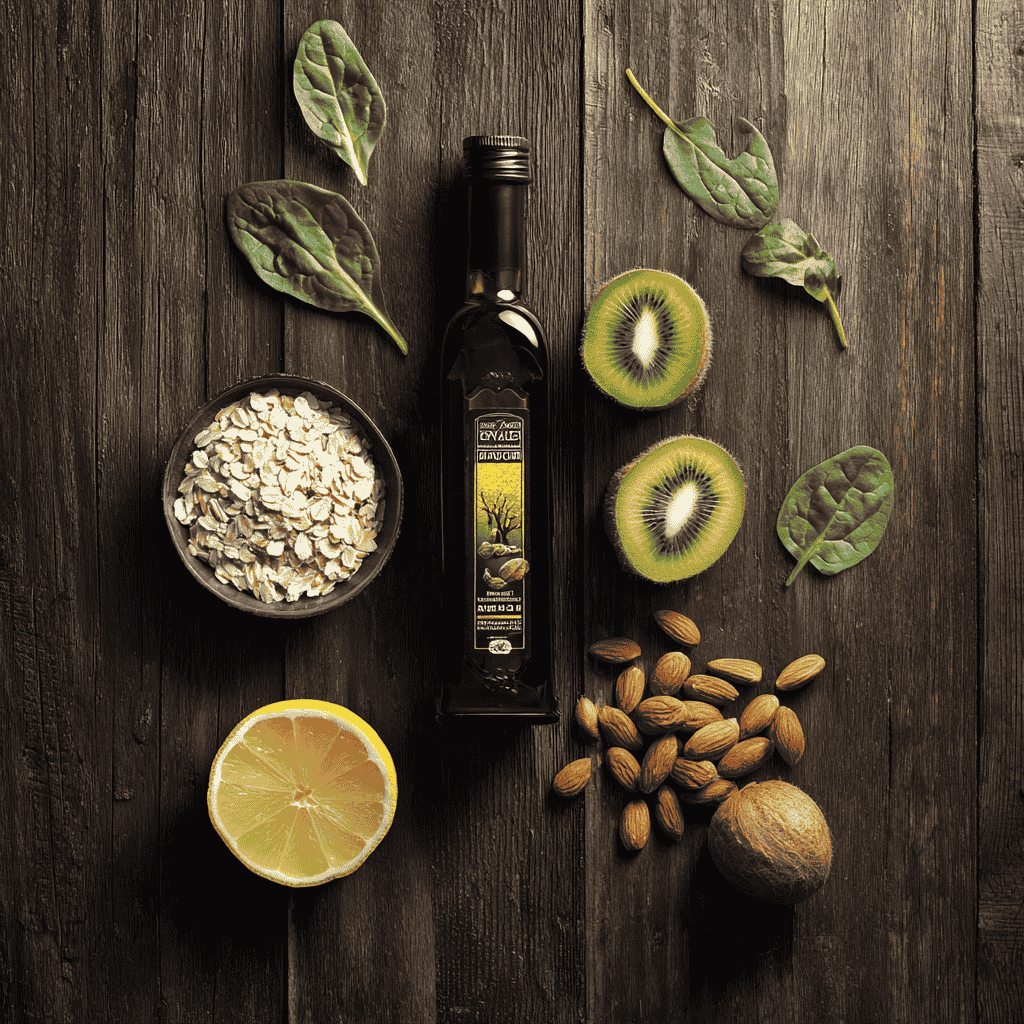
Combining EVOO with fibre-rich foods produces optimal results. Fat lubricates the intestinal wall while fibre adds bulk. Oats deliver roughly 4 grams of soluble fibre per half-cup serving, giving stool the structure it needs to move efficiently.
Fresh fruits like kiwi and apple increase intestinal motility measurably. One New Zealand study found two kiwis daily reduced constipation frequency by 54% — drizzling EVOO over a fruit bowl creates a digestion-supporting combination on two mechanical levels simultaneously.
Leafy green vegetables and legumes provide both insoluble fibre and magnesium — a mineral that draws water into the colon. When dressed with EVOO, these foods regulate bowel movements by pairing osmotic pressure with the oil's gut-motility effect.
Frequently Asked Questions
Can olive oil relieve constipation quickly?
Many people report a mild laxative effect within 2–6 hours of taking one tablespoon of extra virgin olive oil on an empty stomach. Results vary by individual.
For chronic constipation, consistent daily use over several days typically produces more reliable improvement than a single dose.
Should I take olive oil on an empty stomach for constipation?
Taking olive oil on an empty stomach in the morning is the most commonly recommended approach. Without food present, oleic acid reaches the intestinal lining more directly, triggering gut motility faster.
If this causes nausea, mix the olive oil into yogurt or a small portion of food instead. Consistency matters more than timing.
Olive oil or castor oil for constipation — which is better?
Both work through different mechanisms. Castor oil acts as a stronger stimulant laxative — faster, typically within 2–6 hours, but can cause cramping.
Olive oil works more gently by lubricating the intestinal tract, making it better suited for regular, long-term use without harsh side effects.
Can children use olive oil for constipation?
Olive oil is generally considered safe for children in small amounts as a dietary addition. A half teaspoon mixed into food is a practical starting point for younger children.
However, persistent constipation in children always warrants a consultation with a paediatrician before relying on home remedies.
How much olive oil should I take daily for constipation?
For digestive support, one to two tablespoons (15–30 ml) per day is the most widely used amount. Taking more than two tablespoons at once may cause loose stools or discomfort.
Start with one tablespoon and assess your response before increasing. Olive oil works best as part of a diet already adequate in water and dietary fibre.
- NHS — Constipation: Overview of causes, dietary recommendations, and when to seek medical advice.
- Mayo Clinic — Constipation: Symptoms, lifestyle changes, and fibre guidance.
- NIH — Digestive Health and Dietary Fats: Research on how dietary fats influence gastrointestinal motility.
- PubMed — Olive Oil and Bowel Motility: Studies on olive oil polyphenols, oleic acid, and gut health.
Conclusion
Olive oil is a proven tool for improving digestive regularity. One tablespoon delivers oleic acid that stimulates intestinal contractions, providing effective constipation relief without pharmaceutical intervention.
Aim to consume at least one tablespoon each morning, whether drinking it straight or adding it to food.
Daily extra virgin olive oil consumption is also linked to reduced inflammation markers — making it an ideal choice for overall health and wellbeing.
While olive oil is safe for most people as a natural digestive aid, certain symptoms require prompt medical attention. If constipation is chronic, severe, or accompanied by rectal bleeding, unexplained weight loss, or persistent abdominal pain, consult a doctor.
Olive oil is a supportive dietary tool, not a substitute for professional medical advice.